

Jaw pain, clicking, headaches or difficulty opening your mouth can make everyday activities such as eating, speaking and yawning uncomfortable. These symptoms are commonly associated with temporomandibular joint (TMJ) dysfunction.
At Wholistic Health Centre, our chiropractors take a comprehensive approach to TMJ-related jaw pain. Rather than looking at the jaw in isolation, we may assess the jaw together with the cervical spine, surrounding muscles, posture and movement patterns to identify musculoskeletal factors that may be contributing to your symptoms.
Where appropriate, conservative chiropractic care may form part of a broader TMJ management plan, including collaboration with your dentist, GP or other healthcare practitioner.
The temporomandibular joints sit in front of your ears and connect your lower jaw to your skull. They work with nearby muscles whenever you speak, chew, swallow or yawn.
TMJ dysfunction is a general term for problems involving the jaw joints, the muscles controlling jaw movement, or both. Symptoms may be temporary. In other cases, they can affect many daily activities.
Around 10%-15% of adults have a TMJ disorder. Some symptoms associated with this condition include:

Pain or tenderness around the jaw
Limited jaw opening or jaw locking
Discomfort near the ear or temple
Facial muscle tension
Clicking, popping or grinding sounds
Headaches occurring alongside jaw tension
Difficulty or pain when chewing
Neck or upper shoulder discomfort
When your jaw makes sounds, you don’t always need treatment. Clicking without pain is common. When it’s accompanied by restricted movement or locking, you need to arrange a medical assessment.
The jaw does not function in isolation. Muscles involved in jaw movement interact closely with structures around the head, neck and upper cervical region. In some patients, neck mobility, muscle tension, posture and movement patterns may contribute to the way the jaw is loaded and controlled.
This does not mean that all TMJ problems originate from the neck. Dental conditions, joint disorders, clenching, grinding, previous injury, stress and other factors may also contribute.
For this reason, our assessment may consider the jaw, facial muscles, neck movement, posture, daily habits, previous injuries and relevant dental history.
For this reason, our assessment may consider the jaw, facial muscles, neck movement, posture, daily habits, previous injuries and relevant dental history.

It’s rare that TBJ comes with a single cause. Usually, it’s a combination of several factors:
Daytime clenching can happen when you are concentrating during work or even while driving. Grinding may also happen during sleep.
A chiropractor can assess related muscle tension and discuss clenching habits. However, tooth damage, bite concerns and the need for a nightguard should be assessed by a dentist.
Stress may increase jaw tension. Some people press their teeth together during concentration, stress or poor sleep.
Learning to notice and relax this tension may be part of conservative care.
Long periods at a desk, forward head positioning and limited movement breaks may place sustained load on your neck and upper shoulders.
That’s why the assessment focuses on your individual movement and work habits.
A direct blow to the jaw may affect the joint or surrounding tissues. Whiplash, falls and sporting injuries may also be relevant.
Your chiropractor will ask how the injury happened and when the symptoms began. Information about previous treatment approaches may also contribute to getting a full picture.
Jaw pain can come from tooth, gum, bite or joint problems. Arthritis and other medical conditions may also cause similar symptoms.
You may need dental and medical assessment to see the cause. Chiropractic care doesn’t replace treatment for dental issues and other medical conditions.
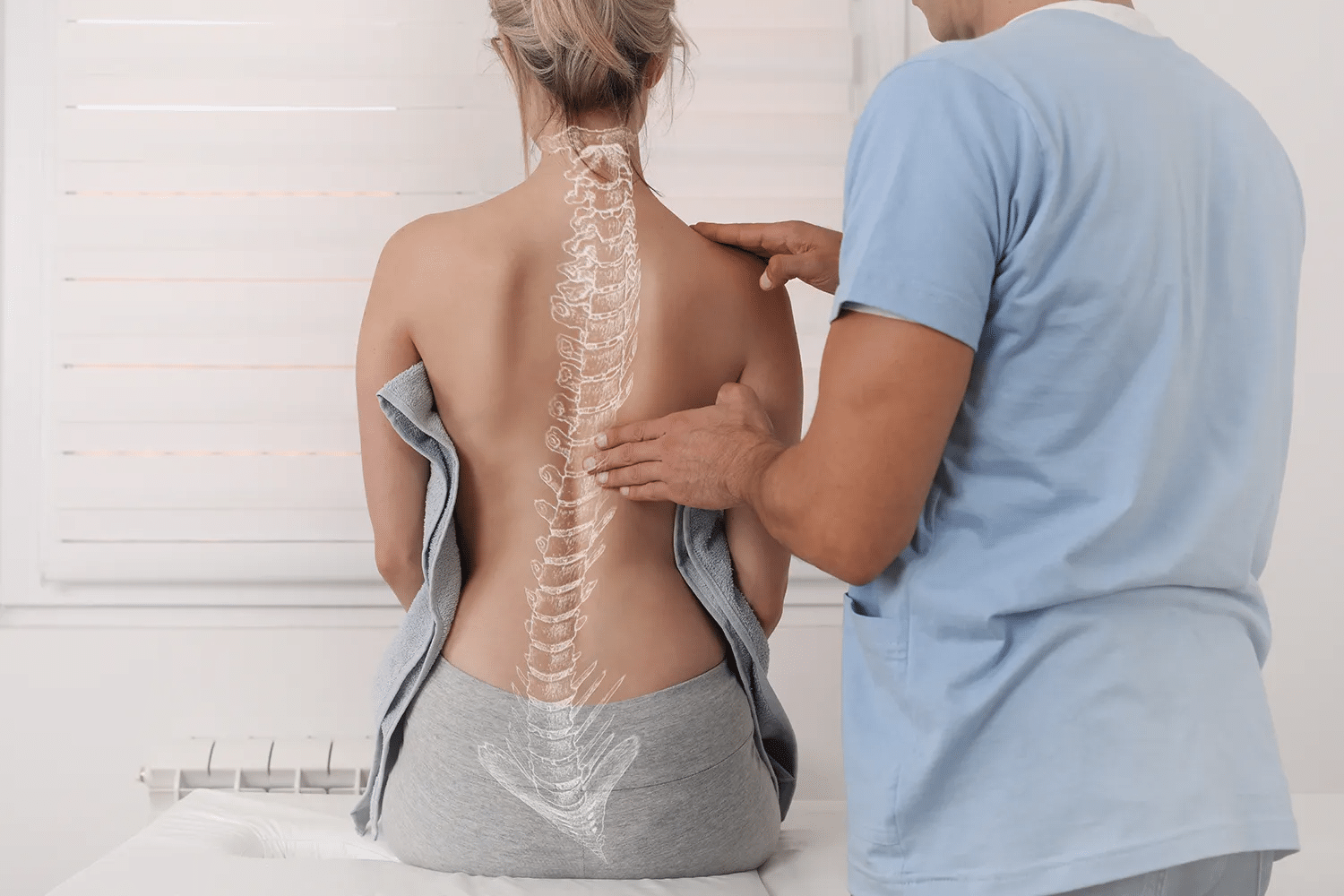
The appointment begins with you sharing your symptom history. The chiropractor will ask when the pain started, where you feel it and which activities affect it.
The physical assessment may include:
Diagnosis should be based mainly on your history and clinical examination. Imaging isn’t required for every patient. However, the chiropractor may ask you to do an X-ray, CT scan, MRI or other tests.
Chiropractic care may be suitable when muscle tension, neck movement, posture or movement control are part of the issue.
Manual therapy may address restricted movement and muscular tension in the neck and upper body. It has the potential to improve movement and reduce unnecessary muscle loading.
When appropriate, treatment may include gentle work around the jaw, face, temples and upper neck.
The chiropractor may focus on tender muscles. Technique and pressure will be adjusted to your comfort. They may also change over time.
You may receive instructions for gradual exercises that support comfortable jaw movement.
Exercises may focus on controlled opening and closing, movement awareness and reducing unnecessary effort. These exercises shouldn’t cause pain.
The chiropractor can provide valuable advice for changing your environment and movements. These can include desk setup, screen height, head position and movement breaks
You can receive self-management advice that can help you improve your quality of life beyond the treatment. The chiropractor can explain how to keep your jaw relaxed when you are resting and reduce unnecessary clenching.
TMJ conditions often require a collaboration of several specialists to treat them. Depending on your presentation, such experts may include:
Wholistic Health Centre provides conservative musculoskeletal care where appropriate. We may recommend shared care when the main concern appears dental, medical or outside the chiropractor’s scope.

Your appointment follows a simple process:
Recommendations always differ depending on your symptoms and treatment goals.

At Wholistic Health Centre, we don’t take a one-size-fits-all approach to TMJ-related symptoms.
Our chiropractors consider how the jaw, cervical spine, surrounding muscles, posture and daily movement patterns may be interacting, while also recognising when dental or medical factors require further assessment.
Depending on your individual presentation, your management plan may incorporate:
• Comprehensive musculoskeletal assessment
• Gentle joint mobilisation and manual therapy
• Soft-tissue treatment and dry needling where appropriate
• Jaw mobility and control exercises
• Cervical spine and postural management
• Self-management and home exercises
• Collaboration with dentists, GPs and other healthcare professionals when required
Our aim is to provide personalised, conservative care based on your individual presentation rather than applying the same treatment approach to every patient.
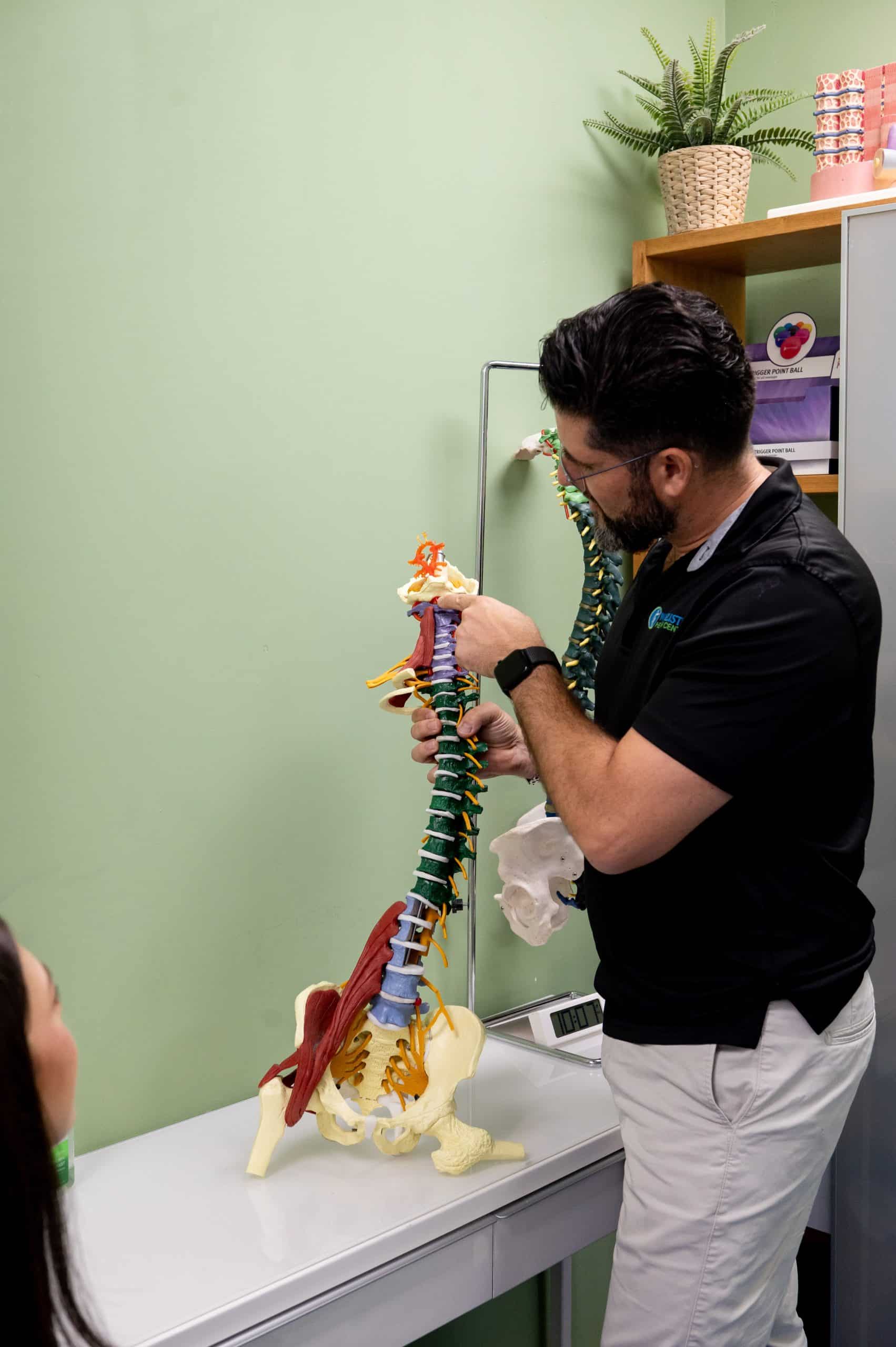
Chiropractic care may help some patients when they have muscle tension, neck dysfunction or issues with movement. A comprehensive assessment is always necessary to determine whether chiropractic care is suitable.
This is not always an either-or decision. Tooth pain, tooth damage, bite concerns and nightguard questions require dental evaluation. Musculoskeletal factors may benefit from conservative physical care. Some patients need both.
The jaw and neck have a close functional relationship. Neck tension or restricted movement may contribute in some people, but neck problems don’t always cause TMJ dysfunction.
Yes, for some people. Stress, concentration and poor sleep may increase jaw clenching and muscle tension.
No. Painless clicking doesn’t always require treatment. An assessment is more important when clicking occurs in tandem with pain, locking, limited opening or persistent difficulty using the jaw.
It depends on the cause, duration and severity of your symptoms. How you respond to care also matters. Your chiropractor will explain the recommended plan after the assessment.
Yes, depending on your assessment. To help the chiropractor make a decision, please bring relevant dental information.
Chiropractic treatment may help when jaw clicking is associated with muscle tension, restricted movement or dysfunction in the jaw and neck. Treatment may include soft tissue techniques, mobility work, exercises and advice on jaw habits. However, painless clicking does not always require treatment, and persistent clicking with pain, locking or reduced movement should be properly assessed.
TMJ disorders can sometimes occur alongside headaches, facial tension and neck pain. The jaw, neck and surrounding muscles work closely together, so irritation or muscle tension in one area may affect how the others feel and function. Because headaches and neck pain can have many causes, an assessment is important before assuming TMJ is responsible.
Posture may contribute to TMJ symptoms in some people, particularly when prolonged sitting or forward-head positioning increases strain through the neck and jaw muscles. It is usually one factor rather than the sole cause of TMJ problems. Treatment may therefore include advice on posture, movement habits and workstation setup alongside direct care for the jaw and neck.
Located in Wolli Creek, Miranda, Kareela and Hurstville, we proudly serve patients across the Sutherland Shire, St. George region, and Inner West

Hurstville Wholistic Health Centre

Kareela Wholistic Health Centre

Wolli Creek Wholistic Health Centre
Hurstville Wholistic Health Centre
Kareela Wholistic Health Centre
We are happy to answer any questions you might have about starting care at our clinic. Find your closest clinic location and start your wellness journey today.