

Exercise physiology can help NDIS participants improve strength, mobility, balance, physical capacity and confidence with everyday movement.
At Wholistic Health Centre Miranda, an accredited exercise physiologist develops a personalised exercise program around your current abilities, disability-related needs and individual NDIS goals. Your program may support greater independence with daily activities, safer movement, improved endurance, reduced falls risk or more confident participation in work, study and community life.
We welcome self-managed and plan-managed NDIS participants from Miranda, the Sutherland Shire and surrounding areas. Contact our team to discuss your goals, funding arrangements and whether exercise physiology may be appropriate for you.
While many different routines exist to improve the condition of people living with disabilities, they aren’t a one-size-fits-all option. In the majority of cases, each participant needs a personalised program, which they rarely get from their treating health professional.
NDIS Exercise Physiology is built around the participant’s goals. Once these goals are understood, the exercise physiologist can develop an appropriate pathway and exercise plan.
Possible goals are:

Moving more safely and confidently
Improving strength and physical capacity
Increasing independence with everyday activitie
Improving balance and reducing falls risk
Managing fatigue
Participating more comfortably in work, study or community activities
Developing a sustainable exercise routine
Improving confidence in using exercise equipment
Exercise physiology focuses on helping people move more comfortably. An Accredited Exercise Physiologist designs activities around your abilities, health needs, and NDIS goals.
Improving strength and physical capacity may make everyday activities safer and more manageable. Your exercise program may include movements that support:
As your strength improves, the physiologist can change the set of exercises.
Reduced balance, coordination or confidence with movement can make everyday activities more difficult and may increase falls risk. This can make everyday activities feel stressful while increasing the risk of falls.
An exercise physiologist can prescribe exercises that focus on stability, coordination, and body awareness. They may also assess your walking pattern and recommend exercises that support safer movement.
Simple activities like reaching, bending, or getting in and out of a car could be a challenge for a person living with a disability.
Appropriately prescribed movement may help improve your available range of motion while supporting healthy joint function.
Better endurance can make many everyday activities feel less tiring. Your program may support goals such as:
Small improvements in endurance can help you regain independence.
Many NDIS participants live with ongoing pain and fatigue while facing multiple health conditions.
Exercise physiology programs work around these challenges. Your exercise physiologist can adjust the type and duration of your exercises depending on your reaction.
For some participants, the biggest challenge is not physical ability but confidence.
Working with an exercise physiologist provides a supportive environment where you can learn to exercise safely and at your own pace.
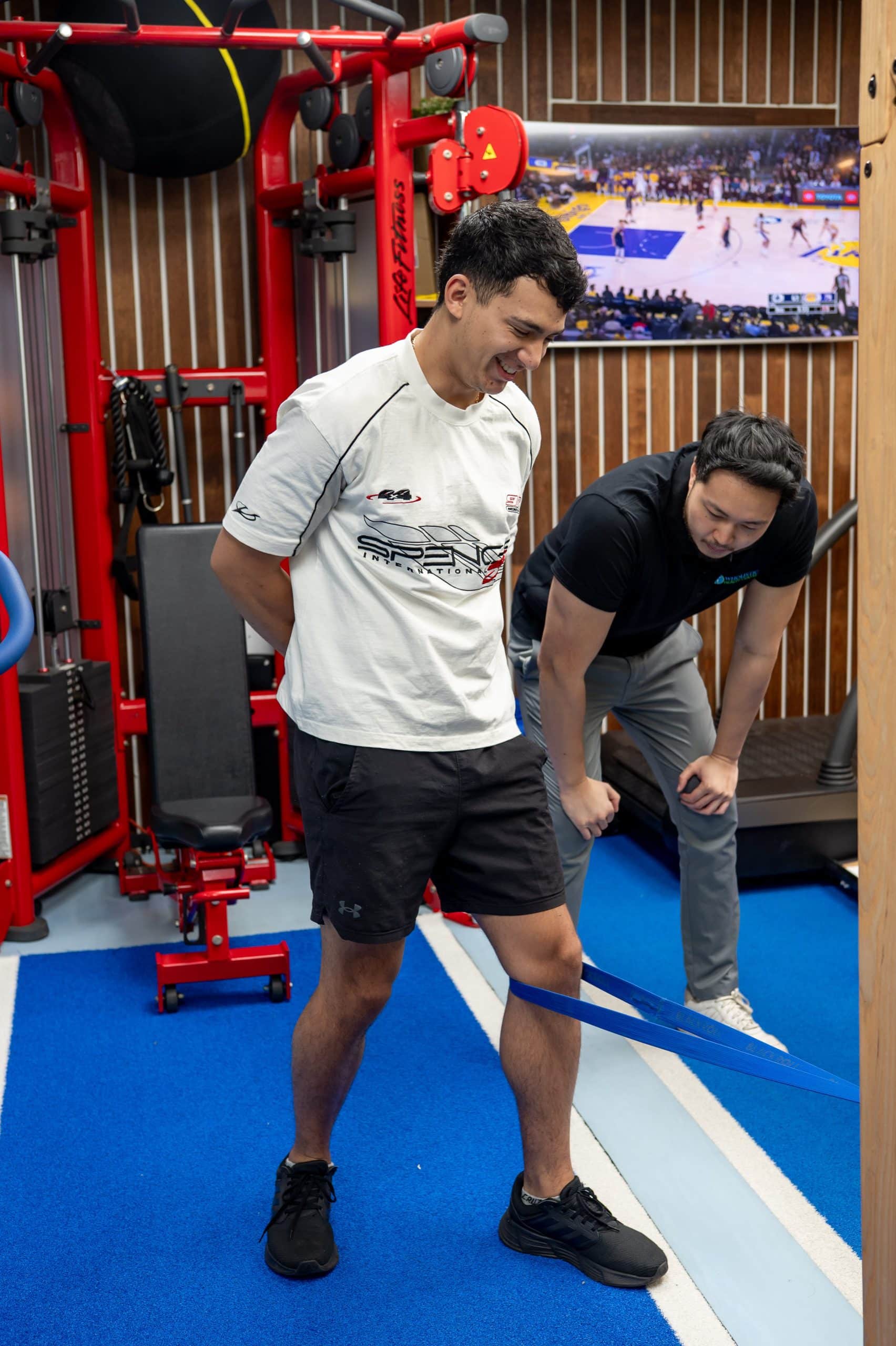
Exercise physiology may benefit people with disabilities and functional challenges, including:
Every participant is different. Suitability depends on your disability-related needs, personal goals, and available NDIS funding.
Every program begins with understanding where you are now and where you would like to be.
At the first appointment, the physiologist will assess:
This information will become the basis of the individual program.
Your plan may include strength, mobility, balance, cardiovascular, or functional exercises. Every program is:
The focus is on exercises that support your everyday life.
During your appointments, your exercise physiologist will supervise your exercises to make sure you are performing them safely.
As you progress, your program may be adjusted to reflect your changing abilities. The pace of progression always depends on your individual needs.
Your exercise physiologist may measure improvements against your functional goals and update your program.
When required, reports can also be prepared to support NDIS plan reviews or communication with your support team.
Exercise physiology is recognised by the NDIS as a therapy support. It may be funded when it:
The funding category and claiming arrangements may differ between participants and depend on the structure of your individual plan.
Before your program begins, our team can discuss your plan-management type, service needs and funding arrangements. You may also wish to confirm your available funding with your plan manager, support coordinator or my NDIS contact.
Wholistic Health Centre currently welcomes self-managed and plan-managed participants. We do not currently provide services to participants whose relevant support funding is NDIA-managed.
The self-managed and plan-managed position is correct: participants using these management options can generally use registered or unregistered providers. NDIA-managed supports must be delivered by registered providers.


Exercise physiology and personal training both involve exercise, but they have different purposes.
An Accredited Exercise Physiologist is an allied health professional who prescribes exercise for people with disabilities or complex health needs.
Exercise physiology programs consider your functional limitations, health conditions, clinical risks, and long-term goals. Meanwhile, personal trainers focus on improving fitness and physical performance.
Some NDIS plans may include either type of support. The most appropriate option depends on your individual needs and approved funding.
NDIS support often involves several people working towards the same goals. If you agree, your exercise physiologist can communicate with your:
This collaborative approach helps everyone work towards shared functional goals.
At Wholistic Health Centre, participants can also benefit from our multidisciplinary environment. Where appropriate, your exercise physiologist can work alongside our chiropractors, physiotherapists, and other allied health professionals.
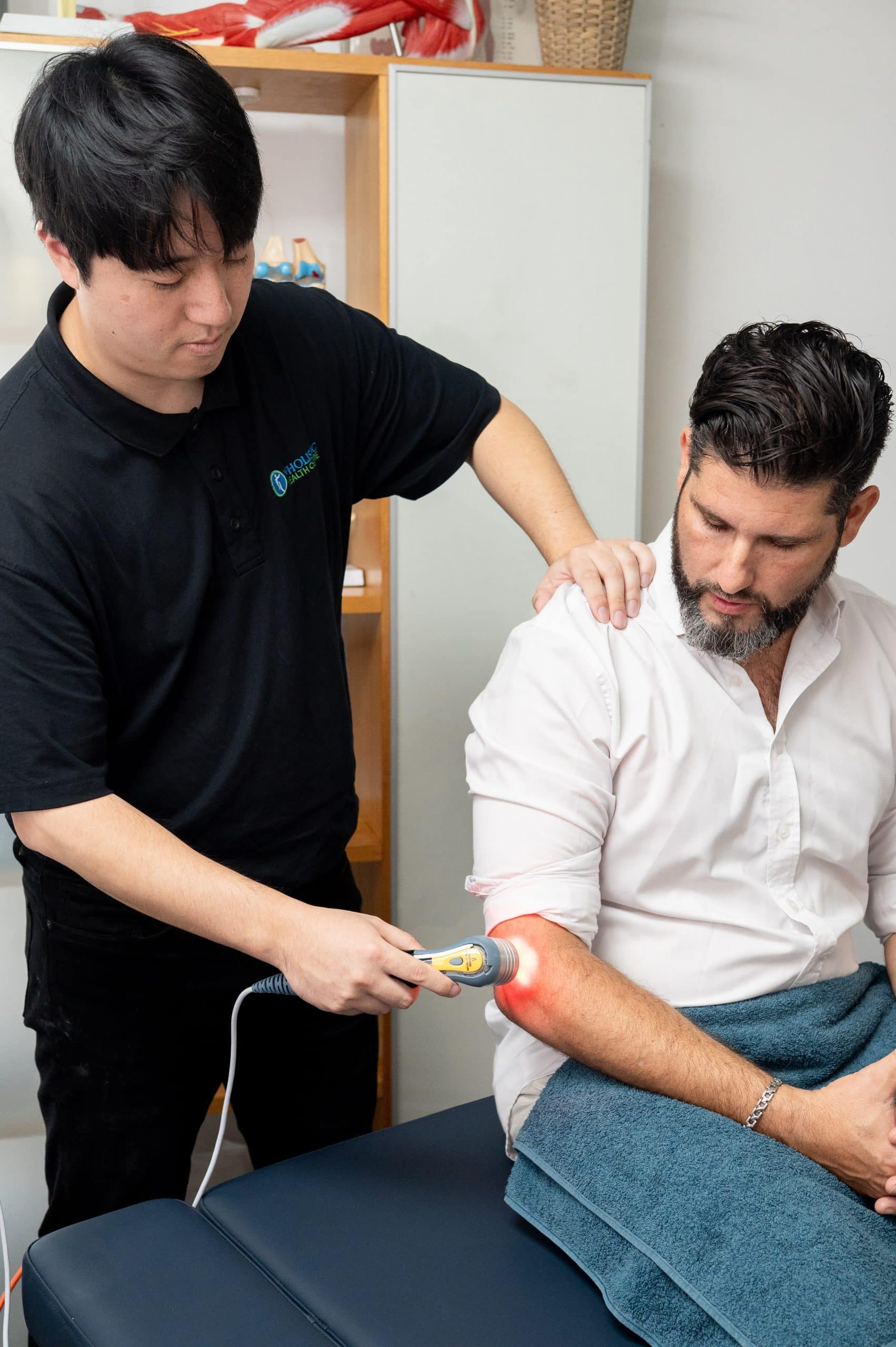

At Wholistic Health Centre, we believe every participant deserves a high-quality personalised program. Our exercise physiologists provide evidence-informed care that focuses on improving everyday function and well-being.
Our supportive clinical environment is designed to help participants feel comfortable and confident. When appropriate, we also coordinate your care with other healthcare professionals.
NDIS Exercise Physiology appointments are available at our Miranda clinic at Suite 2, 573 Kingsway, Miranda NSW 2228. We welcome participants from Miranda, Gymea, Caringbah, Kirrawee, Sylvania and throughout the Sutherland Shire.
Yes. Exercise physiology may be funded when it is an approved disability-related support included in your NDIS plan.
.
Exercise physiology is generally funded under the Improved Health and Wellbeing Capacity Building support category (when approved in your plan).
A GP referral is not generally required to contact us or arrange an initial Exercise Physiology appointment. However, we will need to confirm your funding arrangement before providing NDIS-funded services. Depending on your circumstances, relevant medical information, allied health reports or other supporting documentation may also be helpful.
Your first appointment includes an assessment of your health history, movement, functional abilities, and goals. Your Accredited Exercise Physiologist will also discuss any risks, barriers or modifications that may affect your program.
Yes. If it helps you feel more comfortable or supports your care, your support worker or carer is welcome to attend.
Yes. Your exercise physiologist can prepare progress reports to assist with NDIS plan reviews or communication with your support team.
Yes. We currently accept self-managed and plan-managed participants.
Appointments are available at our Miranda clinic at 2/573 Kingsway, Miranda NSW 2228
Please bring any relevant medical and NDIS documentation as well as information about your plan. Also, we recommend wearing comfortable clothing suitable for movement.
Located in Wolli Creek, Miranda, Kareela and Hurstville, we proudly serve patients across the Sutherland Shire, St. George region, and Inner West

Hurstville Wholistic Health Centre

Kareela Wholistic Health Centre

Wolli Creek Wholistic Health Centre
Hurstville Wholistic Health Centre
Kareela Wholistic Health Centre
We are happy to answer any questions you might have about starting care at our clinic. Find your closest clinic location and start your wellness journey today.