

Winter often brings a wave of immune challenges—from seasonal colds and flu to feelings of sluggishness and fatigue. As the temperature drops, our immune system may require extra support to stay resilient and responsive. Naturopathy offers a holistic approach to immune health by combining evidence-informed treatments, lifestyle guidance, and natural remedies that work with the body’s own healing processes.
Here’s how naturopathy can help support your immune system during the colder months.

1. Nutritional Support
A well-functioning immune system starts with a balanced, nutrient-rich diet. Naturopaths assess individual dietary patterns and identify any deficiencies that may be weakening immune function. Common nutrients essential for immune health include:
- Vitamin C – Found in citrus fruits, leafy greens, and berries, vitamin C supports white blood cell function. Endeavour College recommends liposomal formulations for improved absorption.
- Zinc – Important for cell repair and immune response, zinc can be sourced from legumes, seeds, and seafood. Zinc citrate or glycinate forms are often preferred for better bioavailability.
- Vitamin D – Often low during winter due to reduced sun exposure, vitamin D plays a critical role in modulating the immune system. Olivia Grace Naturopathy highlights vitamin D as one of the most common winter deficiencies.
If required, a naturopath may recommend high-quality supplements to restore optimal nutrient levels.
2. Herbal Medicine
Herbal remedies have long been used to support immune health. A naturopath can prescribe specific herbs based on your individual constitution and health status. Common immune-supportive herbs include:
- Echinacea – Traditionally used to help prevent and shorten the duration of colds.
- Astragalus – Known for its ability to strengthen the immune system and build resilience.
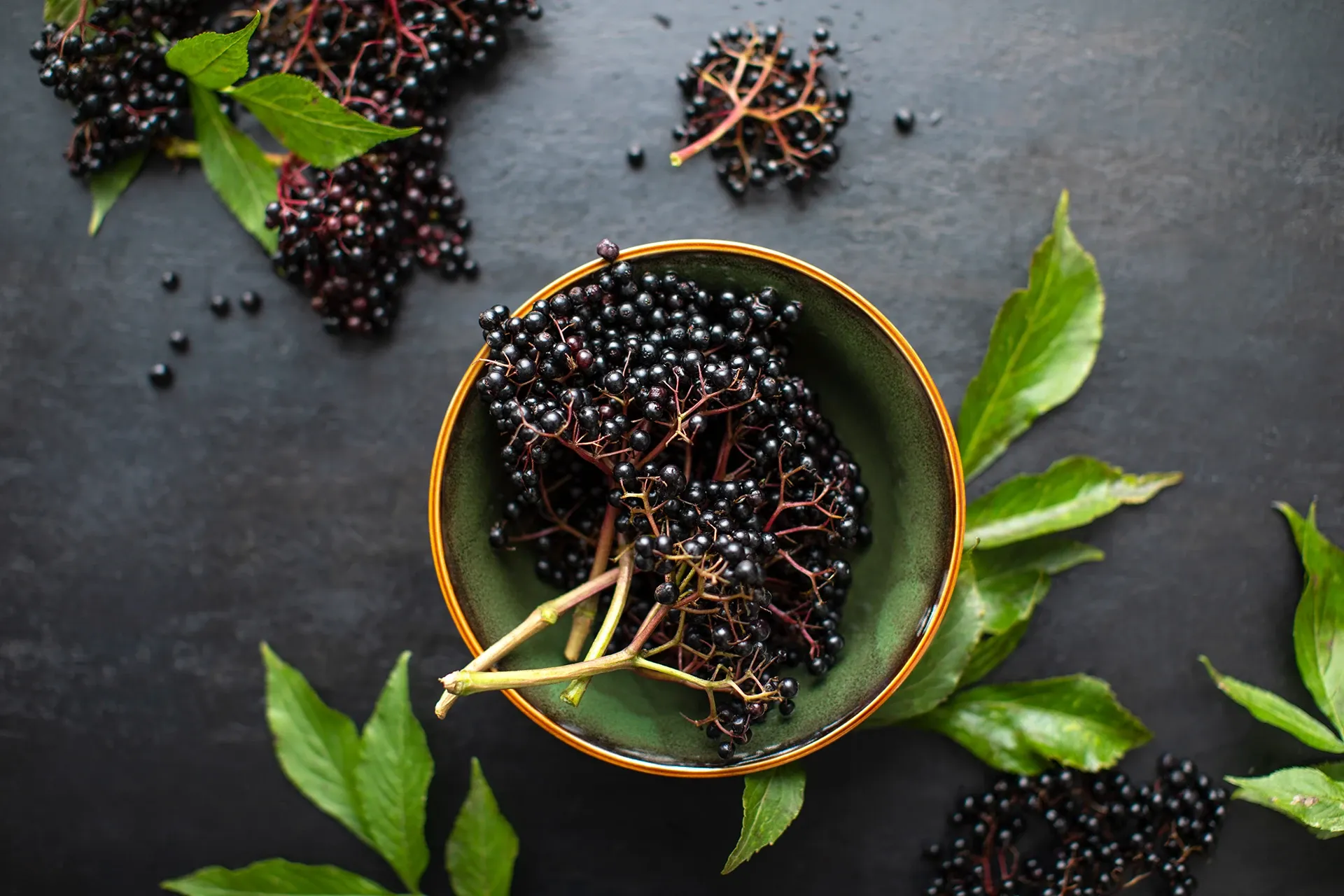
- Elderberry – Rich in antioxidants and used to help relieve symptoms of respiratory infections. Endeavour College notes elderberry’s antiviral properties and its effectiveness against flu-like symptoms.
These herbs may be taken as teas, tinctures, capsules, or custom blends tailored to your needs.

3. Stress and Sleep Management
Chronic stress and poor-quality sleep are both known to suppress immune function. Naturopathic treatment looks at the whole picture—including emotional wellbeing. Techniques such as mindfulness, breathwork, herbal adaptogens, and sleep hygiene practices can be used to restore balance and support the body’s natural defences. Olivia Grace Naturopathy recommends magnesium glycinate and passionflower for calming the nervous system and promoting restorative sleep.

4. Gut Health and Immunity
Approximately 70% of the immune system is located in the gut. Supporting digestive health is often a key part of naturopathic immune care. This may involve improving diet, addressing food intolerances, and using prebiotics or probiotics to maintain a healthy gut microbiome. Well Naturopathy explores the gut–brain–immune connection and how fibre, fermented foods, and microbiome diversity contribute to immune resilience.
5. Individualised Care
One of the strengths of naturopathy is its personalised approach. Rather than offering a one-size-fits-all solution, naturopaths assess your health history, lifestyle, and environment to develop a tailored treatment plan that fits your unique needs. Olivia Grace Naturopathy offers a “Sick of Being Sick” session to help uncover immune gaps and create a targeted wellness roadmap.

Stay Well This Winter
Supporting your immune system naturally doesn’t have to be complicated. With the right guidance, you can take simple, proactive steps to stay well through the winter season and beyond.
If you’ve been feeling rundown or want to strengthen your immune health this winter, we’re here to help. Book an appointment today with one of our qualified naturopaths and take the first step toward a stronger, more resilient you.
Book a complementary 5 min no-obligation consultation call
References
- Mackenzie, T. (Endeavour College), 2021: Highlighted the role of elderberry, vitamin C, vitamin D, and zinc in reducing symptom severity and enhancing immune modulation during winter illness.
- Olivia Grace Naturopathy, 2025: Emphasized the importance of gut health, nutrient gaps, and restorative sleep in building immune resilience. Recommended magnesium glycinate, passionflower, and fermented foods for winter wellness.
- Well Naturopathy, 2025: Explored the gut–brain–immune connection, detailing how soluble and insoluble fibres, prebiotics, and microbiome diversity support immune function and reduce inflammation.