
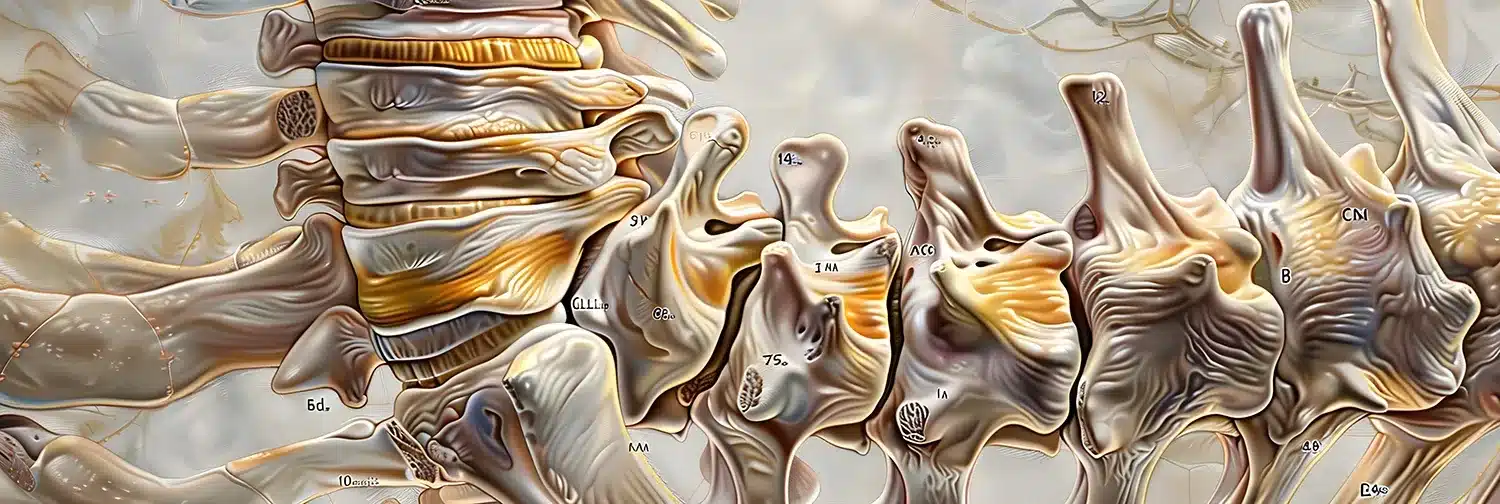
Understanding spinal decompression
Spinal decompression therapy is a non-invasive treatment option for individuals suffering from various back conditions. It involves the use of traction therapy, which applies pressure to elongate the spine, creating negative pressure within the intervertebral discs. This negative pressure promotes the retraction of herniated or bulging discs, allowing them to return to their normal position. The therapy can be performed using specialized equipment, such as decompression tables, and can include both nonsurgical and surgical options depending on the severity of the condition.
Benefits of spinal decompression
The allure of spinal decompression lies in its potential to provide relief without the need for surgery. Patients with conditions like bulging or degenerative discs, pinched nerves, sciatica, and spinal stenosis may find solace in this therapy. The benefits are manifold: alleviation of pain, restoration of spinal health, and an enhanced quality of life. By gently separating the vertebrae, decompression therapy can reduce pressure on the spinal nerves and improve nutrient exchange within the discs, fostering a better healing environment.
Spinal decompression exercises
For those seeking to complement professional treatment or manage mild discomfort at home, spinal decompression exercises are a valuable resource. These exercises aim to stretch and strengthen the spine, offering a proactive approach to spinal health. From simple stretches that can be done on a yoga mat to more advanced routines requiring inversion tables, these exercises cater to a range of abilities and needs. Key to success is consistency and adherence to proper form, often best achieved under the guidance of a therapist.
Professional treatments
Beyond home exercises, professional treatments offer a targeted approach to spinal health. Chiropractors, physical therapists, and acupuncturists provide services that can enhance the effects of spinal decompression. Techniques such as acupuncture can stimulate healing and reduce inflammation, while chiropractic adjustments focus on correcting spinal alignment and improving function. Nerve stimulation therapies, like TENS, can also be used to alleviate pain and facilitate recovery.
Spinal decompression presents a hopeful avenue for those burdened by back pain. Whether through exercises at home or professional treatments, the goal remains the same: to achieve a pain-free, active lifestyle. As with any medical treatment, it’s crucial to consult with healthcare professionals to determine the most appropriate course of action for your specific condition.