
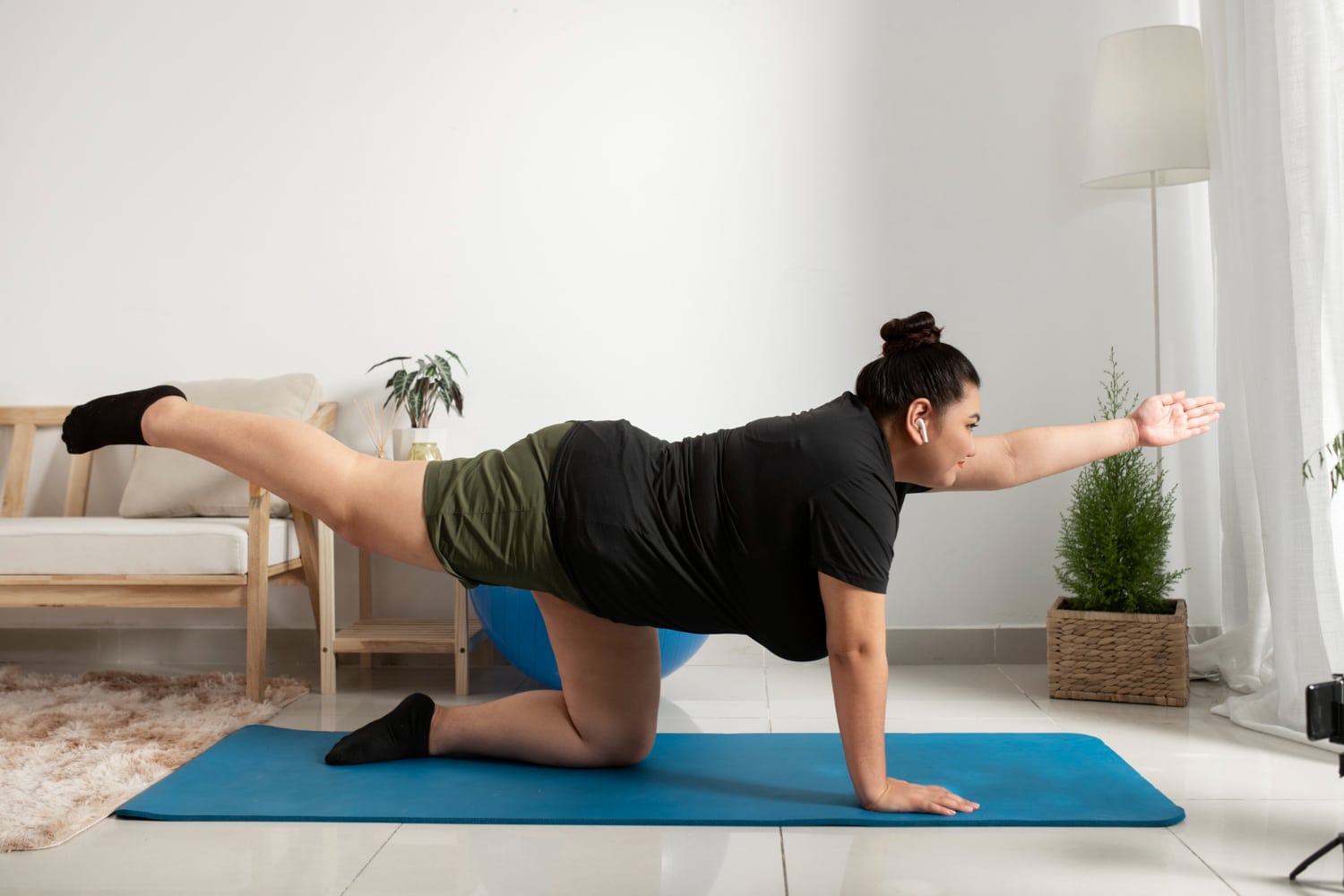
If you’ve ever woken up with a stiff back or felt that familiar ache after a long day at your desk, you are certainly not alone. Lower back pain is one of the most common reasons people visit a healthcare professional in Australia. It can affect your ability to work, play with your kids, or simply get a good night’s sleep.
While back pain can feel debilitating, the good news is that movement is often the best medicine. For most mechanical back pain, gentle stretching can help reduce stiffness, improve your range of motion, and help you get back to doing what you love.
However, knowing which stretches to do—and more importantly, how to do them safely—is crucial. This guide provides a set of evidence-informed stretches designed to improve mobility and reduce tension. We’ll walk you through exactly how to perform them, when to use them, and when it’s time to seek professional help.
Note: This information is for educational purposes. If you are unsure about your symptoms, please consult a healthcare professional before starting a new exercise routine.
Quick Safety Check Before You Start
Before you roll out your yoga mat, it is vital to approach stretching with the right mindset. The goal here is gentle mobilisation, not aggressive flexibility training.
Follow this safety checklist:
- Respect the Pain Scale: If 0 is no pain and 10 is the worst pain imaginable, keep your stretches in a comfortable range (under 3/10). You might feel a gentle pull or mild discomfort, but you should never feel sharp, shooting, or increasing pain.
- Breathe: Never hold your breath. Deep, slow breathing helps your nervous system relax, which allows your muscles to release tension.
- No Bouncing: Avoid “ballistic” or bouncing movements. Move slowly and controlled.
- Stop if it hurts: If a specific movement makes your pain worse, stop immediately. There is no need to “push through” pain when it comes to your spine.
Red Flags: When to Stop and Seek Help
If you experience any of the following, do not continue stretching and seek urgent medical assessment:
- Loss of bladder or bowel control
- Numbness in the “saddle” area (groin/inner thighs)
- Severe weakness or numbness in your legs
- Pain following a significant trauma (like a fall or car accident)
How to Stretch Safely for Lower Back Pain
The philosophy behind stretching for back pain is simple: Motion is Lotion.
When your back hurts, your natural instinct might be to guard it and stop moving. However, prolonged rest can actually increase stiffness and delay recovery. Gentle movement helps lubricate the joints, improves blood flow to the area, and signals to your brain that it is safe to move.
Rules for Success:
- Consistency over Intensity: It is better to stretch gently for 10 minutes every day than to do an intense hour-long session once a week.
- Warm Up: Try to move around a little (e.g., a 5-minute walk) before deep static stretching. Warm muscles are more pliable.
- Listen to Your Body: Your range of motion might be different today than it was yesterday. That’s okay. Work with the body you have today.
10 Effective Stretches for Lower Back Pain
Below are ten stretches often recommended to help alleviate lower back tightness. You don’t need to do all of them every day. Try a few and see which ones feel best for your body.
1. Child’s Pose
This is a restful yoga pose that gently stretches the muscles of the lower back (lumbar erectors) and glutes while opening up the hips.
Who it’s for: Anyone needing a gentle, relaxing release for spinal tension.
How to do it:
- Start on your hands and knees on a comfortable surface.
- Bring your big toes together and spread your knees slightly wider than your hips.
- Sit your hips back towards your heels.
- Reach your arms forward along the floor, lowering your chest and forehead towards the mat.
- Focus on breathing into your back, feeling your ribs expand.
Hold: 30–60 seconds.
Common Mistake: Forcing your hips to touch your heels if they aren’t flexible enough. It’s okay if they hover.
When to skip: If you have severe knee pain or difficulty kneeling.
2. Knees-to-Chest Stretch
This movement helps stretch the lower back muscles and can relieve pressure on the spine.
Who it’s for: People with general lower back stiffness or tightness.
How to do it:
- Lie on your back with your legs extended (or knees bent if that’s more comfortable).
- Bring one knee up towards your chest.
- Grasp your shin or the back of your thigh with both hands and gently pull the knee closer to you.
- Keep your lower back pressed into the floor.
- Repeat on the other side. For a deeper stretch, bring both knees up at once.
Hold: 20–30 seconds per leg.
Common Mistake: Lifting your head or tensing your neck/shoulders. Keep your upper body relaxed.
3. Supine Spinal Twist (Gentle)
A rotation stretch can help improve mobility in the spine and stretch the outer hips.
Who it’s for: Those with stiffness in the mid-to-lower back.
How to do it:
- Lie on your back with knees bent and feet flat on the floor.
- Extend your arms out to the sides in a ‘T’ shape.
- Keep your shoulders flat on the floor as you gently lower both knees to the left side.
- Turn your head to the right (if comfortable) for a full spinal twist.
- Return to the centre and repeat on the right side.
Hold: 20–30 seconds per side.
Common Mistake: Letting the opposite shoulder lift off the ground. Only drop your knees as far as you can while keeping your shoulders down.
4. Pelvic Tilts
While technically a mobility exercise rather than a static stretch, pelvic tilts are excellent for relieving lower back tightness and engaging the deep core.
Who it’s for: Everyone, especially those who sit for long periods.
How to do it:
- Lie on your back with knees bent and feet flat on the floor.
- Exhale and gently rock your hips towards your ribs, pressing your lower back flat into the floor.
- Inhale and tilt your pelvis the other way, creating a small arch in your lower back.
- Move slowly back and forth between these two positions.
Reps: 10–15 slow repetitions.
Common Mistake: Using your glutes or leg muscles to lift your hips. This movement should come from the pelvis/core.
5. Cat-Cow Mobility
This dynamic movement takes the spine through flexion and extension, helping to reduce stiffness.
Who it’s for: Great for a morning warm-up or desk break.
How to do it:
- Start on your hands and knees (hands under shoulders, knees under hips).
- Cow: Inhale, drop your belly towards the floor, lift your chin and chest, and arch your back gently.
- Cat: Exhale, draw your belly button to your spine, round your back towards the ceiling, and tuck your chin.
- Move smoothly with your breath.
Reps: 10 cycles.
When to skip: If you have acute pain when bending backward or forward, reduce the range of motion.
6. Hip Flexor Stretch (Kneeling)
Tight hip flexors (from sitting all day) can pull on the lower back, increasing the arch and causing pain. Stretching the front of the hip can relieve this pressure.
Who it’s for: Desk workers and drivers.
How to do it:
- Kneel on your right knee (use a cushion for comfort) with your left foot flat on the floor in front of you.
- Keep your back tall and engage your right glute (buttock).
- Gently gently shift your weight forward until you feel a stretch in the front of your right hip.
- Avoid arching your lower back.
Hold: 30 seconds per side.
Common Mistake: Leaning too far forward and arching the back. The stretch should be subtle.
7. Figure-4 Glute Stretch
Tight glutes can contribute to back pain. This stretch targets the piriformis and glute muscles.
Who it’s for: People with hip tightness or sciatic-like symptoms.
How to do it:
- Lie on your back with knees bent and feet flat.
- Cross your right ankle over your left knee.
- Grasp the back of your left thigh and gently pull it towards you until you feel a stretch in the right buttock.
- Keep your head and shoulders on the floor.
Hold: 30 seconds per side.
Modification: If you can’t reach your thigh, keep your foot on the floor and gently push the crossed knee away with your hand.
8. Hamstring Stretch (Supported)
Tight hamstrings can restrict pelvic movement and increase stress on the lower back.
Who it’s for: Runners and people with posterior chain tightness.
How to do it:
- Lie on your back.
- Loop a towel or strap around the ball of one foot.
- Straighten that leg and use the towel to gently lift the leg towards the ceiling until you feel a stretch in the back of the thigh.
- Keep the other leg flat on the floor or knee bent.
Hold: 30–45 seconds per leg.
Common Mistake: Bending the knee of the stretching leg excessively. Keep it relatively straight but soft (not locked).
9. Seated Forward Fold (Chair Modification)
A gentle way to stretch the back while at work or if getting on the floor is difficult.
Who it’s for: Seniors or office workers.
How to do it:
- Sit on the edge of a sturdy chair with feet flat and wider than hip-width.
- Exhale and slowly hinge forward from the hips.
- Let your hands drop towards the floor and relax your head and neck.
- Allow the spine to round gently.
Hold: 20–30 seconds.
When to skip: If flexion (bending forward) triggers your pain or if you feel dizzy.
10. Sphinx / Prone Press-Up
This is an extension-based stretch (similar to the McKenzie method). It can be very helpful for some, but irritating for others.
Who it’s for: Often helpful for disc-related issues where bending forward hurts.
How to do it:
- Lie on your stomach with legs extended.
- Place your elbows under your shoulders, forearms flat on the floor.
- Gently press into your forearms to lift your chest, keeping hips on the floor.
- Keep your lower back relaxed.
Hold: 15–30 seconds.
Important: If this causes pain to travel down your leg, STOP immediately.
Short Routine Options
Finding time to stretch can be hard. Here are two quick routines you can fit into your day.
The 5-Minute Desk Reset
Perfect for breaking up long periods of sitting.
- Seated or Standing Pelvic Tilts: 1 minute.
- Seated Forward Fold: 30 seconds.
- Standing Hip Flexor Stretch (Lunge stance): 30 seconds each side.
- Seated Spinal Twist: 30 seconds each side.
The 10-Minute Daily Mobility Routine
Best done in the morning or evening on a mat.
- Cat-Cow: 1 minute.
- Child’s Pose: 1 minute.
- Supine Spinal Twist: 1 minute each side.
- Figure-4 Glute Stretch: 1 minute each side.
- Hamstring Stretch: 1 minute each side.
- Knees-to-Chest: 1 minute.
Start small. Consistency is key. Even doing this routine 3 times a week can make a difference in how your back feels.
Stretching vs. Strengthening: What’s the Difference?
You might wonder if you should be stretching your back or strengthening it. The answer is usually both.
Stretching helps improve range of motion and reduces the sensation of tightness. It serves as a “reset” for tense muscles.
Strengthening, however, builds the capacity of your tissues. Strong muscles support the spine, improve posture, and allow you to lift, carry, and move without fatigue. Core stability exercises (like planks or dead bugs) often work hand-in-hand with stretching to provide long-term relief.
Think of stretching as opening the door to movement, and strengthening as walking through it.
When Stretching Isn’t Enough (And What to Do Next)
Sometimes, despite your best efforts, back pain persists. This doesn’t mean you are “broken,” but it might mean there are other factors at play. Back pain is complex and can be influenced by:
- Load management: Doing too much, too soon (e.g., a sudden weekend of heavy gardening).
- Sedentary lifestyle: Not moving enough throughout the week.
- Stress and sleep: Poor sleep and high stress can heighten pain sensitivity.
If you have been stretching consistently for two weeks and see no change, or if your pain keeps returning, it may be time for a professional assessment. A Chiropractor or Massage Therapist can help identify the root cause and provide manual therapy to assist your recovery.
Red Flags: When to Stop and Seek Urgent Assessment
While most back pain is mechanical and safe to manage with movement, there are specific signs that require immediate medical attention.
Seek urgent care if you experience:
- Bowel or bladder changes: Difficulty passing urine or loss of control.
- Saddle anaesthesia: Numbness in the inner thighs, genitals, or buttocks.
- Progressive weakness: Loss of power in the legs or feet (e.g., foot drop).
- Constitutional symptoms: Fever, chills, or unexplained weight loss accompanying back pain.
- Constant, unrelenting pain: Pain that does not change with rest, movement, or medication.
- Night pain: Pain that is worse at night and wakes you from sleep.
If you are ever in doubt, it is always safer to get checked.
Frequently Asked Questions (FAQs)
Are stretches good for lower back pain?
Yes, for most mechanical back pain, gentle stretching is beneficial. It helps reduce muscle tension, improves blood flow, and decreases stiffness. However, it should be pain-free and done gently.
How often should I stretch my lower back?
Consistency is best. Aim for a short session (5–10 minutes) daily or every second day. Micro-breaks throughout the workday are also excellent for preventing stiffness.
Should stretching feel painful?
No. Stretching should feel like a mild pull or tension. If you feel sharp, shooting, or intense pain, you are pushing too far or doing a movement that doesn’t suit your current condition.
What’s the best stretch for lower back pain?
There is no single “magic” stretch. However, the Knees-to-Chest and Child’s Pose are widely considered safe and effective starting points for relieving general lower back tension.
Can stretching make back pain worse?
It can if done aggressively or if you are stretching an injured tissue (like an acute muscle tear) too early. Always start gently and stop if pain increases.
Should I rest or keep moving with back pain?
Current guidelines from NSW Health and major global health bodies recommend staying active. Prolonged bed rest (more than 1-2 days) is generally not recommended as it can delay recovery. Modify your activities, but keep moving.
What if I have sciatica symptoms?
Sciatica (nerve pain) can be aggravated by certain stretches. Be cautious with hamstring stretches. The Figure-4 stretch can sometimes help, but you should consult a professional for specific nerve-gliding exercises.
When should I see a chiropractor for lower back pain?
If pain persists for more than a few days, interferes with your daily tasks, or keeps coming back, a chiropractor can assess your spinal function and provide targeted care to help you recover faster.
Are yoga stretches safe for lower back pain?
Generally, yes. Many yoga poses (like Cat-Cow and Child’s Pose) are excellent for back health. However, avoid extreme bends or twists during an acute flare-up.
How long until I notice improvement?
You may feel immediate relief from tension after stretching, but lasting changes usually take consistency over weeks. Be patient with your body.
Conclusion
Taking care of your back is a long-term project, but it starts with simple steps today. By incorporating these safe, gentle stretches into your routine, you can manage stiffness and keep your spine moving well.
Remember, every body is different. Listen to yours, move within your limits, and celebrate the small wins of feeling a little more mobile each day.
If you are struggling with persistent pain, or if you’re unsure which exercises are right for you, we are here to help. Our team at Wholistic Health Centre (serving Hurstville, Wolli Creek, Miranda, and Kareela) can provide a thorough assessment and a tailored plan to get you back to feeling your best.
Ready to move better?
Explore our Chiropractic Services or learn more about our approach to Stretching and mobility.